
Unveiling the Common Places for Skin Cancer: Know the Danger Zones
Skin cancer ranks among the most widespread forms of cancer worldwide, and its prevalence continues to rise. Understanding the areas most prone to skin cancer is crucial for early detection and effective prevention.
Actinic Keratosis: Understanding Recurrence and Increased Risk Factors
While it is important for everyone to protect themselves from the harmful effects of the sun, individuals who are more prone to AK and have had it before may require additional attention.
Understanding Actinic Keratosis: Causes, Symptoms, and Treatment
Actinic Keratosis (AK) is a common skin condition caused by prolonged sun exposure. Also known as solar keratosis, it manifests as rough, scaly patches on the skin, usually on areas frequently exposed to the sun.
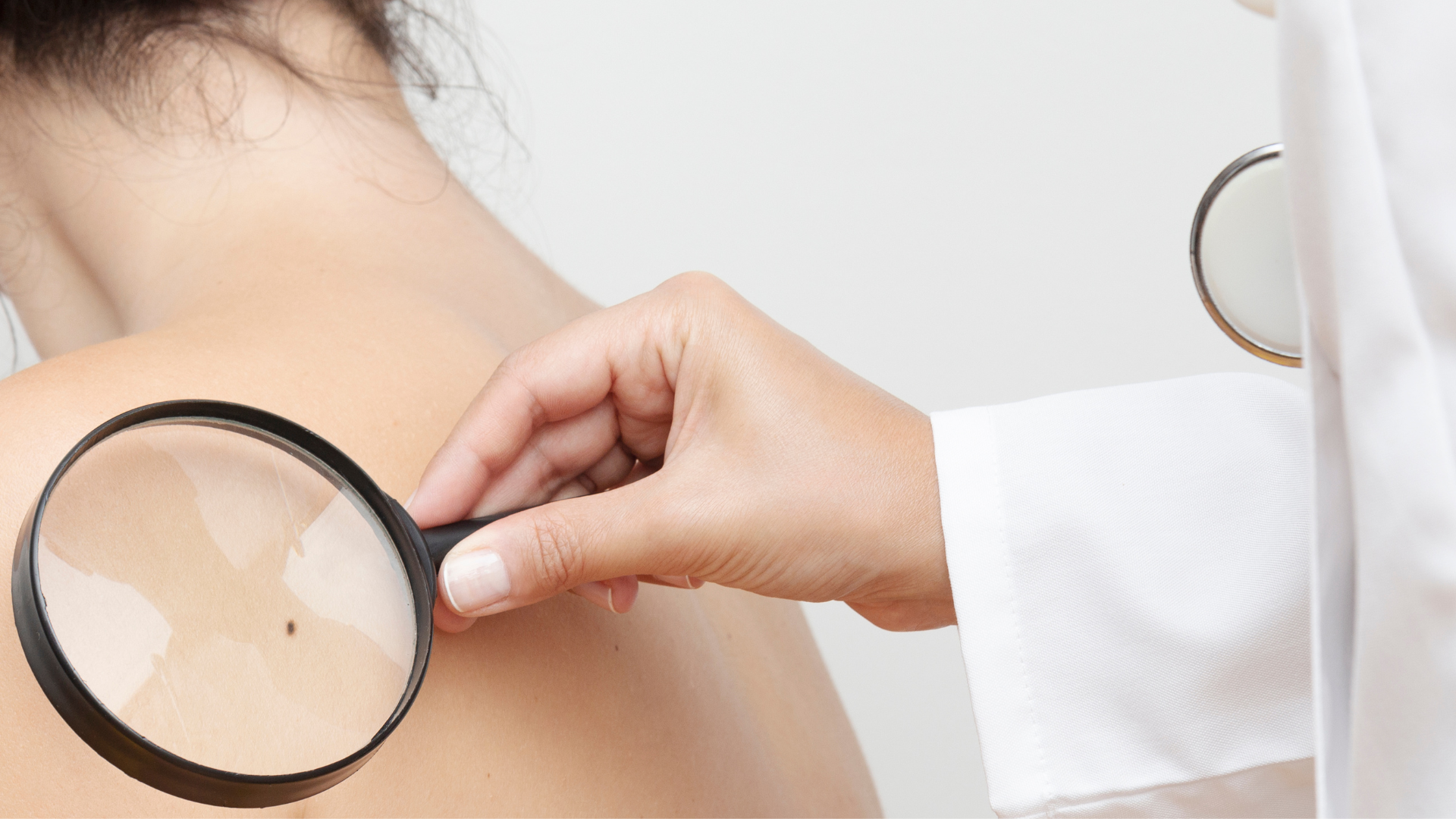
An Overview of Skin Cancer
Skin cancer affects millions of people in the United States every year. Statistics show that 1 in 5 Americans will develop skin cancer in their lifetime.
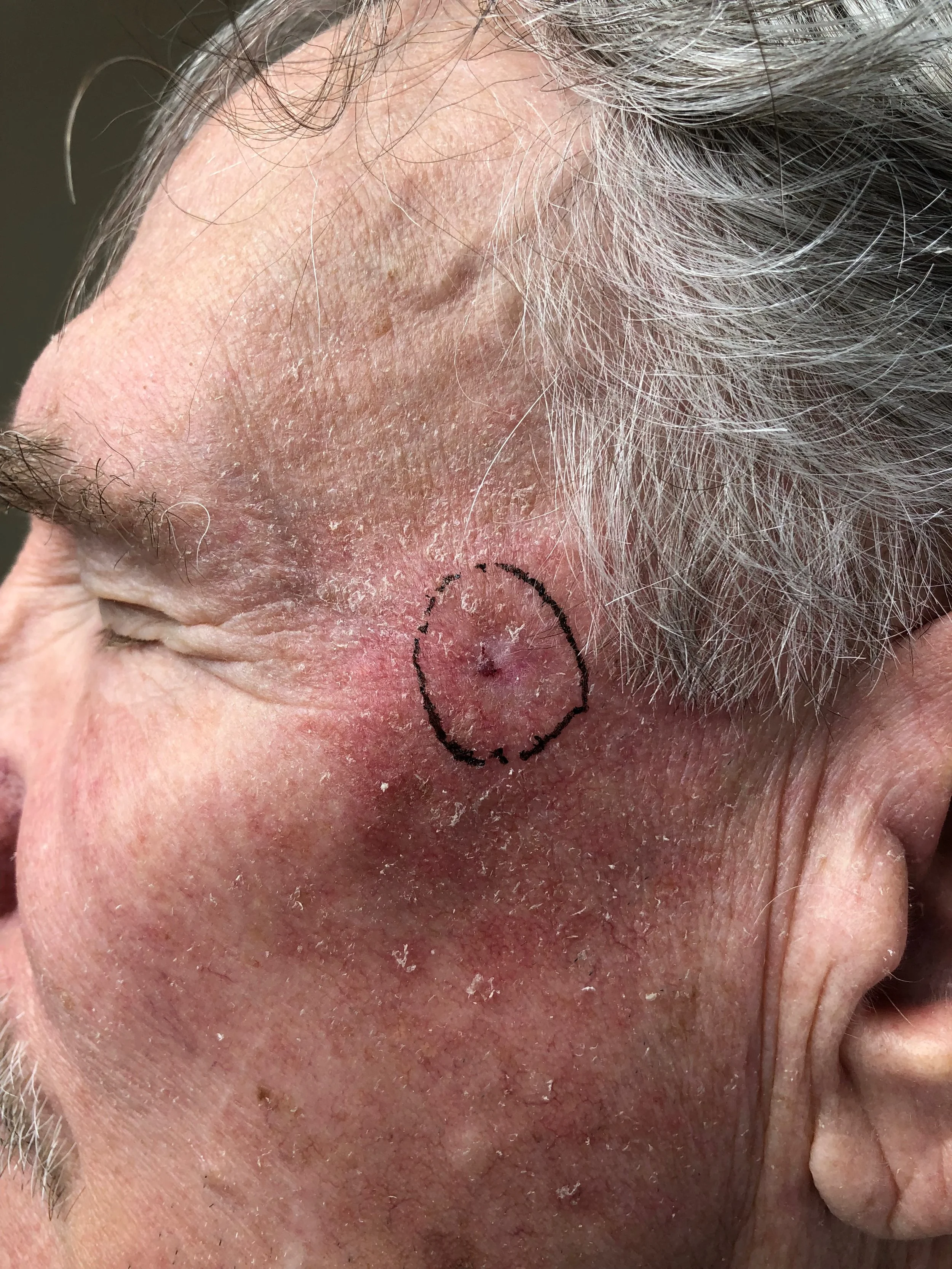
About Basal Cell Carcinoma
Developed basal cell carcinomas appear as translucent pink/red bumps with a central depression and prominent blood vessels that frequently bleed with little or no trauma.
Squamous Cell Carcinoma and Actinic Keratosis (“Pre-cancer”)
Best practices for early detection of possible skin cancers.
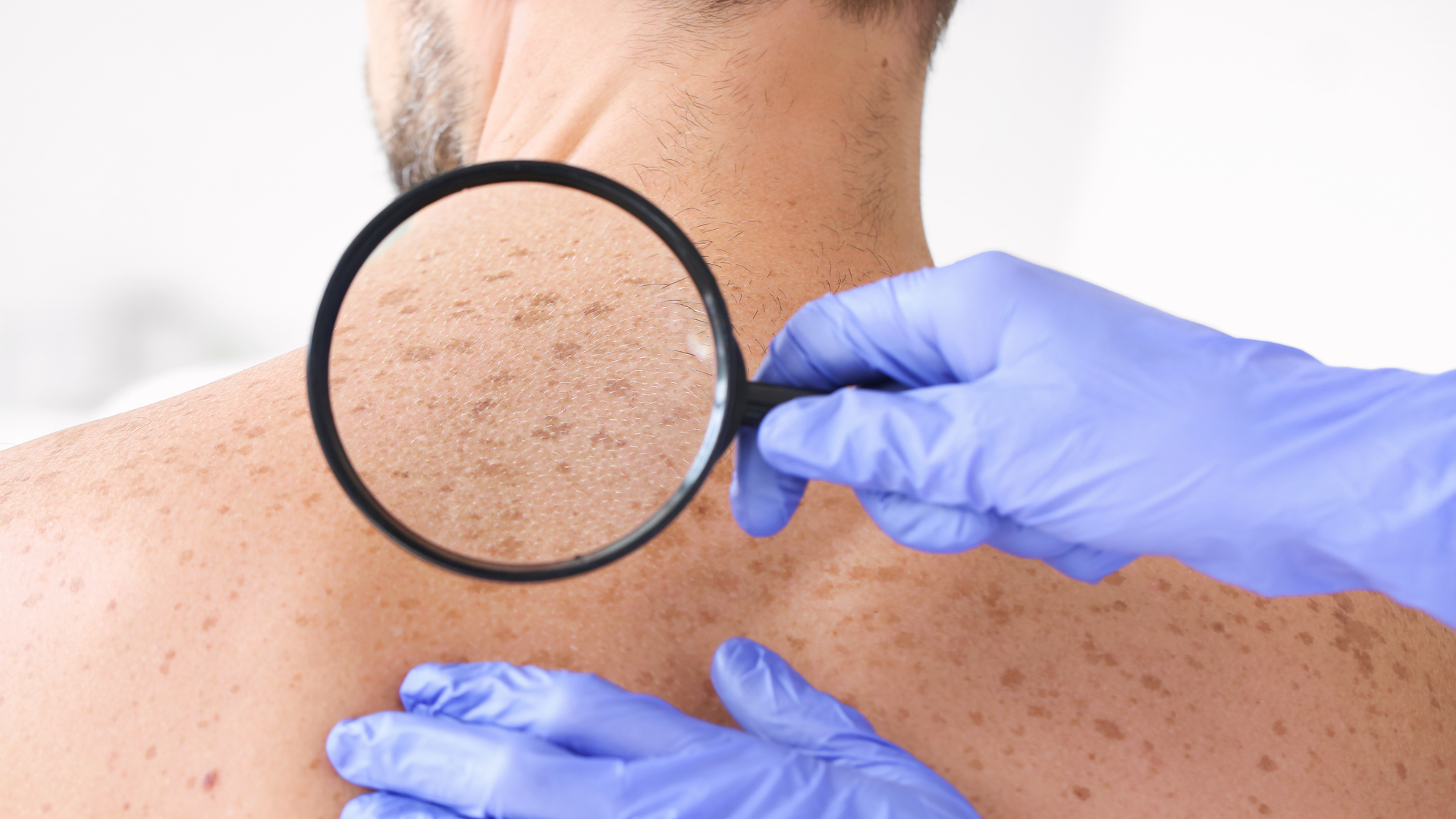
How to spot Melanomas and Atypical Moles
Melanoma can present with many different appearances making a simple description very tricky.

Other Less Common Types of Skin Cancer
Basal cell carcinoma, squamous cell carcinoma, and melanoma comprise over 92% of all skin cancers diagnosed with the remaining percentage composed of a myriad of less common skin cancers.
Early Detection of Skin Cancer
Early detection matters in improving patient outcomes. Performing monthly skin exams on yourself or loved ones is a very helpful way to detect early skin cancer.