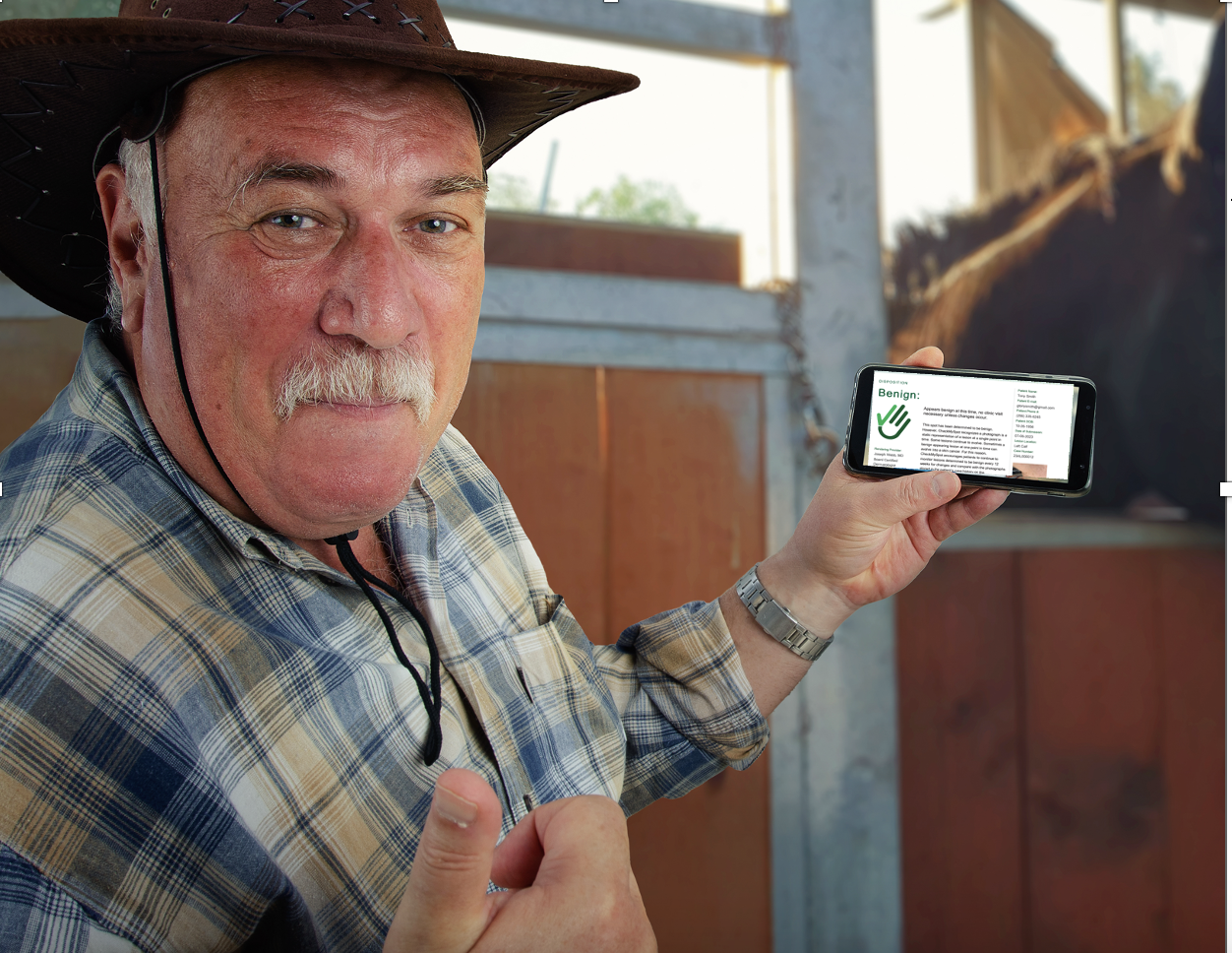
Rural Health: CheckMySpot Closes Gaps in Care
Access to specialty care shouldn’t depend on where employees live or work, yet for many rural and remote workers, long waits and travel burdens make timely dermatology care difficult. Delayed evaluations can increase health risks, drive up medical costs, and lead to lost productivity for employers managing distributed teams. Teledermatology solutions like CheckMySpot bridge this gap by delivering fast, expert skin evaluations regardless of geography—helping organizations offer more equitable benefits while supporting employee health, peace of mind, and performance.

CheckMySpot: Show your employees their wellness is your top priority
Prioritizing preventive care isn’t just good for health—it’s a smart investment in workforce loyalty and retention. When organizations offer easy access to screenings and partner with innovative providers like teledermatology platforms, employees feel valued and supported. Cultivating a culture where preventive care is normalized encourages engagement and ensures people can thrive without sacrificing their well-being.
Reducing Employee Downtime: How Remote Skin Spot Assessments Keep Workers on the Job
Traditional dermatology appointments have long posed a challenge for organizations striving to maintain a healthy and productive workforce. The average employee seeking an in-person skin evaluation must navigate scarce appointment availability, spend hours away from the office, and contend with additional travel, scheduling conflicts, and waiting room delays, all while workflow and job momentum stall unnecessarily. In today's landscape, remote skin spot assessments offer an innovative solution to address this barrier to care, delivering measurable, business-focused results for employers and their teams.
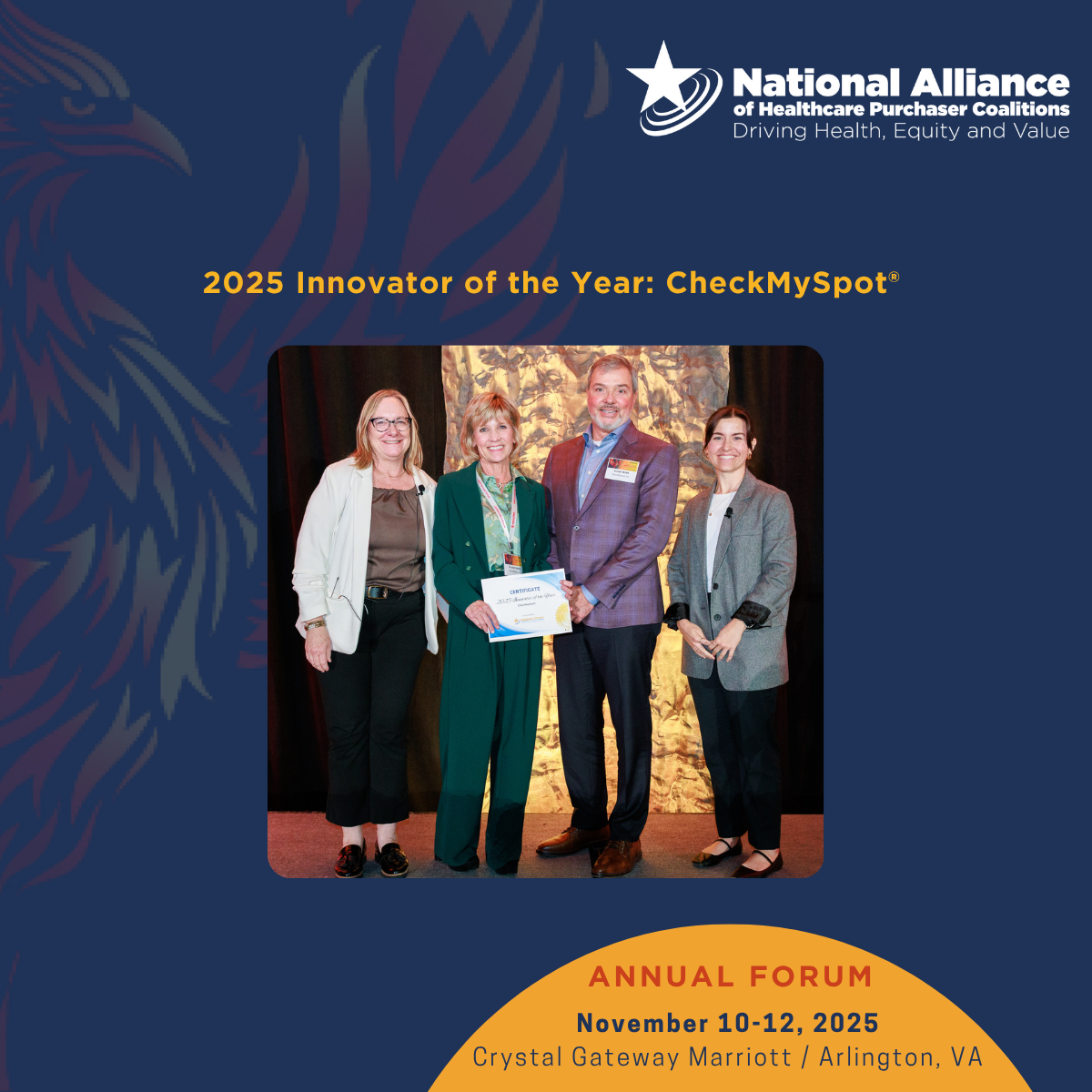

Empowering Employees to Take Control of Their Skin Health Without Adding to Plan Costs
In today's competitive business environment, organizations face the dual challenge of providing meaningful health benefits that employees value while simultaneously managing escalating healthcare expenditures. This balancing act becomes particularly crucial with conditions like skin cancer, where early detection dramatically improves outcomes, but traditional care pathways often involve significant delays, administrative complexity, and substantial costs.

Measuring the ROI of a Skin Cancer Direct Access Platform™ for Self-Funded Health Plans
For employers managing self-funded health plans, the balance between controlling costs and providing meaningful care is a constant challenge. Every dollar spent on healthcare directly impacts the bottom line, making proactive, cost-effective solutions not just beneficial, but essential.

Skin Checks Made Simple: How to Work Them Into Your Wellness Routine
Skin Checks Made Simple: How to Work Them Into Your Wellness Routine
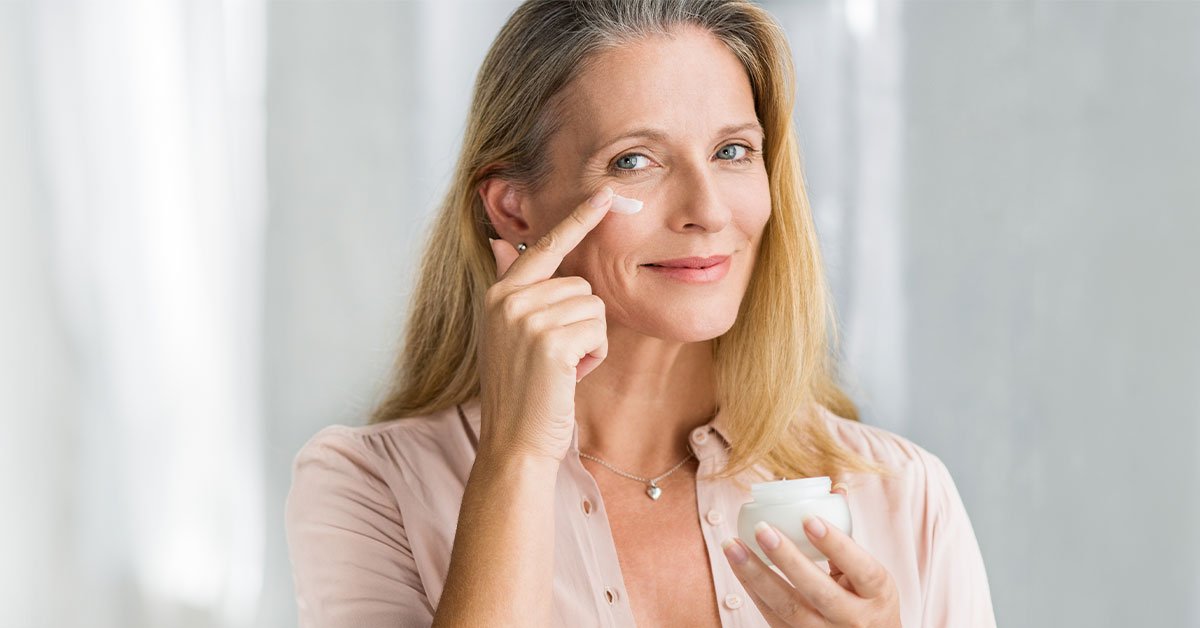
We moisturize, we exercise, and we take our vitamins—all in the name of self-care. Yet many of us overlook one of the simplest and most powerful health practices: regular skin checks. Just as flossing prevents cavities and sunscreen guards against sun damage, monitoring your skin for changes represents a profound act of preventive care. It requires no special equipment, takes just minutes, and offers peace of mind that lasts long after you’ve finished. At CheckMySpot, we believe skin health should be accessible, not anxiety-inducing. In fact, it should be seen as a natural part of your wellness routine rather than a medical ordeal.
Beyond Sunscreen: Building a Complete Skin Health Routine
We all know sunscreen is non-negotiable—slathering on SPF 30 or higher is the first line of defense against sun damage. But truly healthy skin requires more than just UV protection. Like any other organ, your skin thrives on consistent care, smart habits, and early detection of potential issues. A holistic approach, one that includes hydration, nutrition, rest, gentle skincare, and routine monitoring, can keep your skin resilient, radiant, and cancer-free for years to come.
The High Cost of Waiting: Why Ignoring a Suspicious Skin Spot Could Cost You More Than You Think
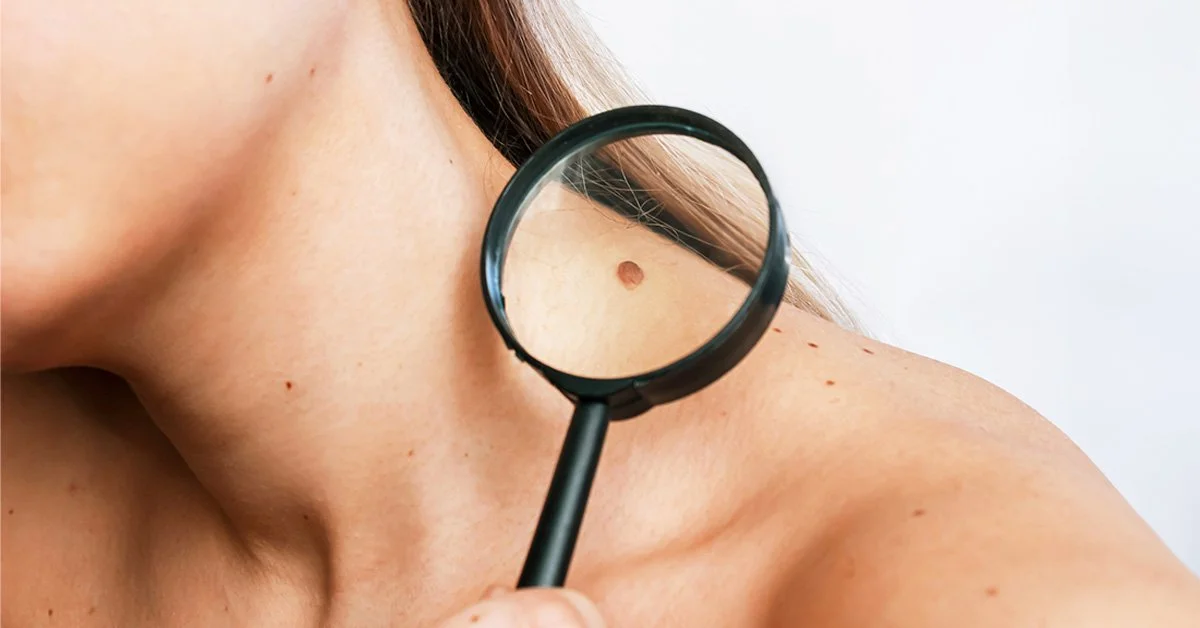
Sarah noticed the spot six months ago, a small, dark mole on her shoulder that hadn’t been there before. Between work deadlines, family obligations, and the hassle of scheduling a dermatologist appointment, she kept putting it off. “It’s probably nothing,” she told herself. But as weeks turned into months …..

Better Understanding Your Moles
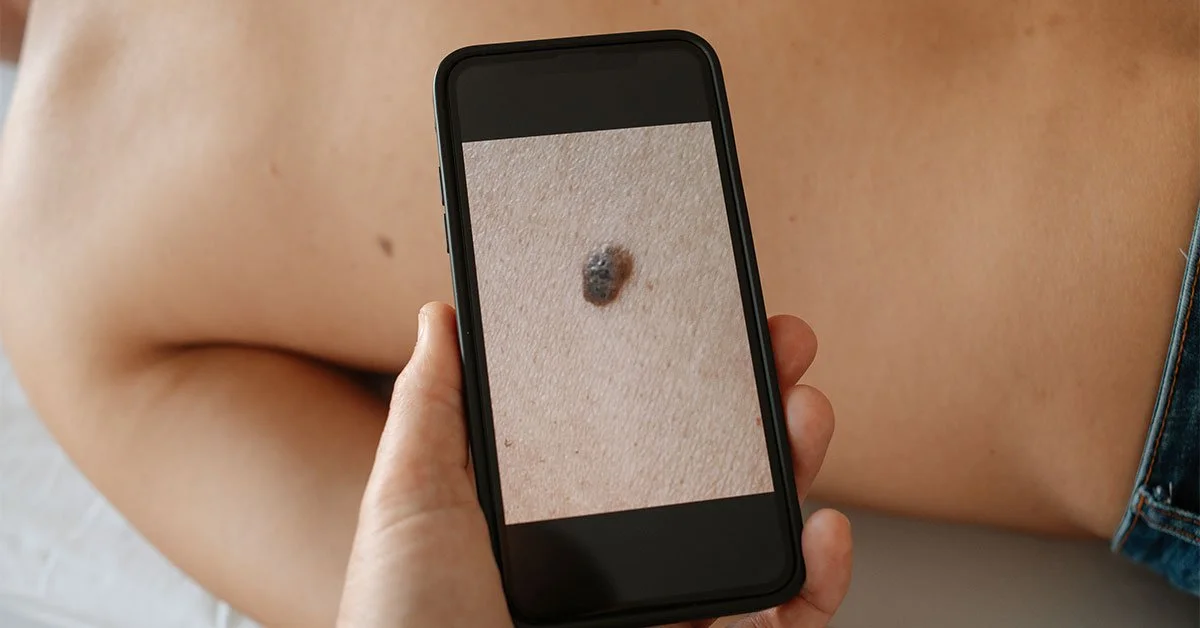
We all have them: those small, dark spots that dot our skin and seem to tell the story of our lives. Most moles are completely harmless, serving as nothing more than beauty marks that make each of us unique. Occasionally, however, a mole can signal something that requires medical attention. The key lies in understanding which mole changes matter while avoiding unnecessary alarm.


Understanding Skin Cancer: Why Early Detection Could Save Your Life
When we think of skin, we imagine something soft to the touch but rugged enough to protect us from the world. After all, skin covers the entire body, acting as a barrier against external factors such as heat, light, and infection. Because of this, skin cancer is one of the most common forms of cancer in the United States, but with early detection, it is also one of the most curable.

Understanding Merkel Cell Carcinoma: A Rare but Aggressive Skin Cancer
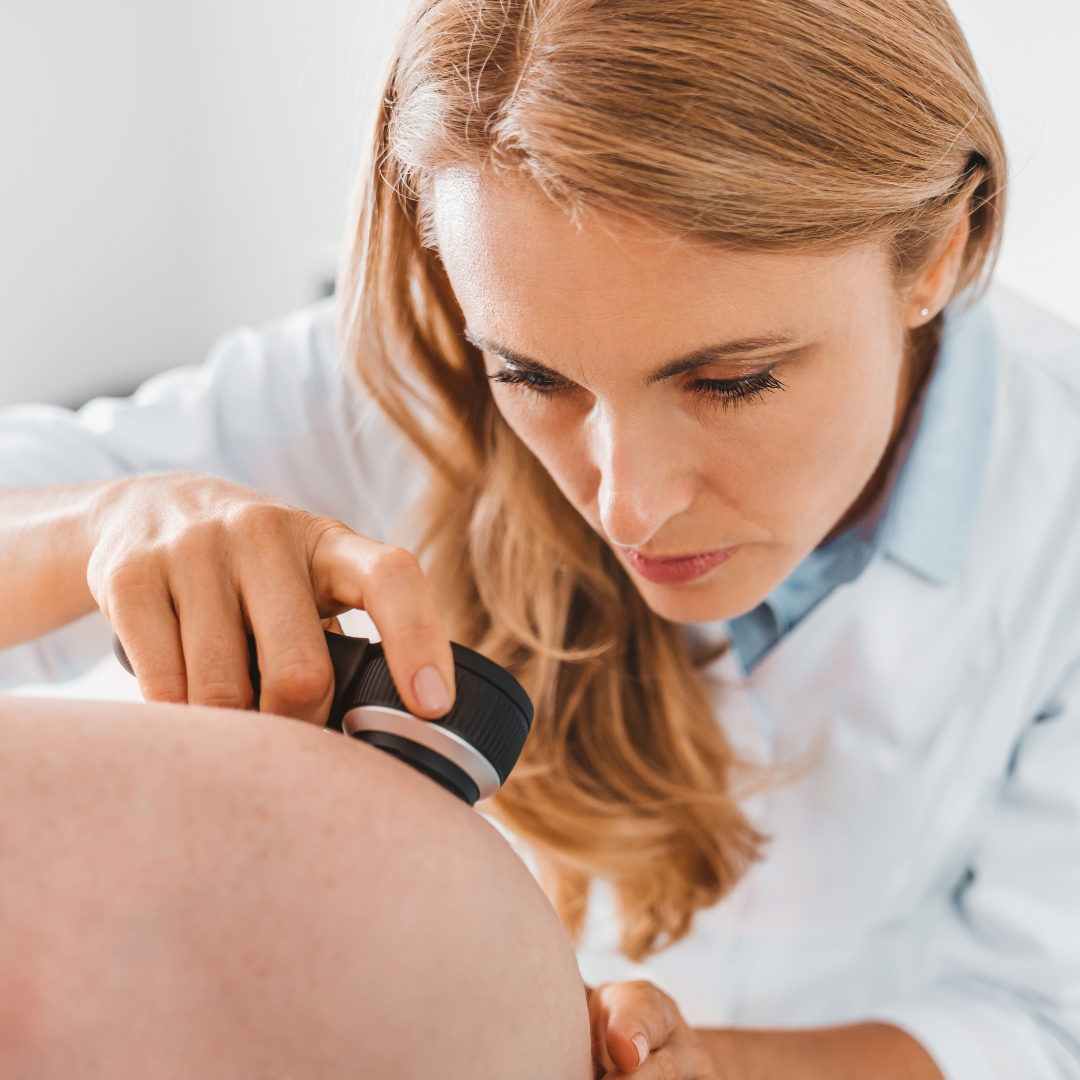
In light of the recent passing of Jimmy Buffett, we see this as a time to educate the public on the rare but serious skin cancer, Merkel Cell Carcinoma (MCC). While most skin cancer deaths are from melanoma, MCC has been sparsely heard of in a general sense. Unfortunately, MCC is such a rare and aggressive form of skin cancer that it often catches patients and healthcare professionals off guard due to its rapid progression and potential for metastasis.
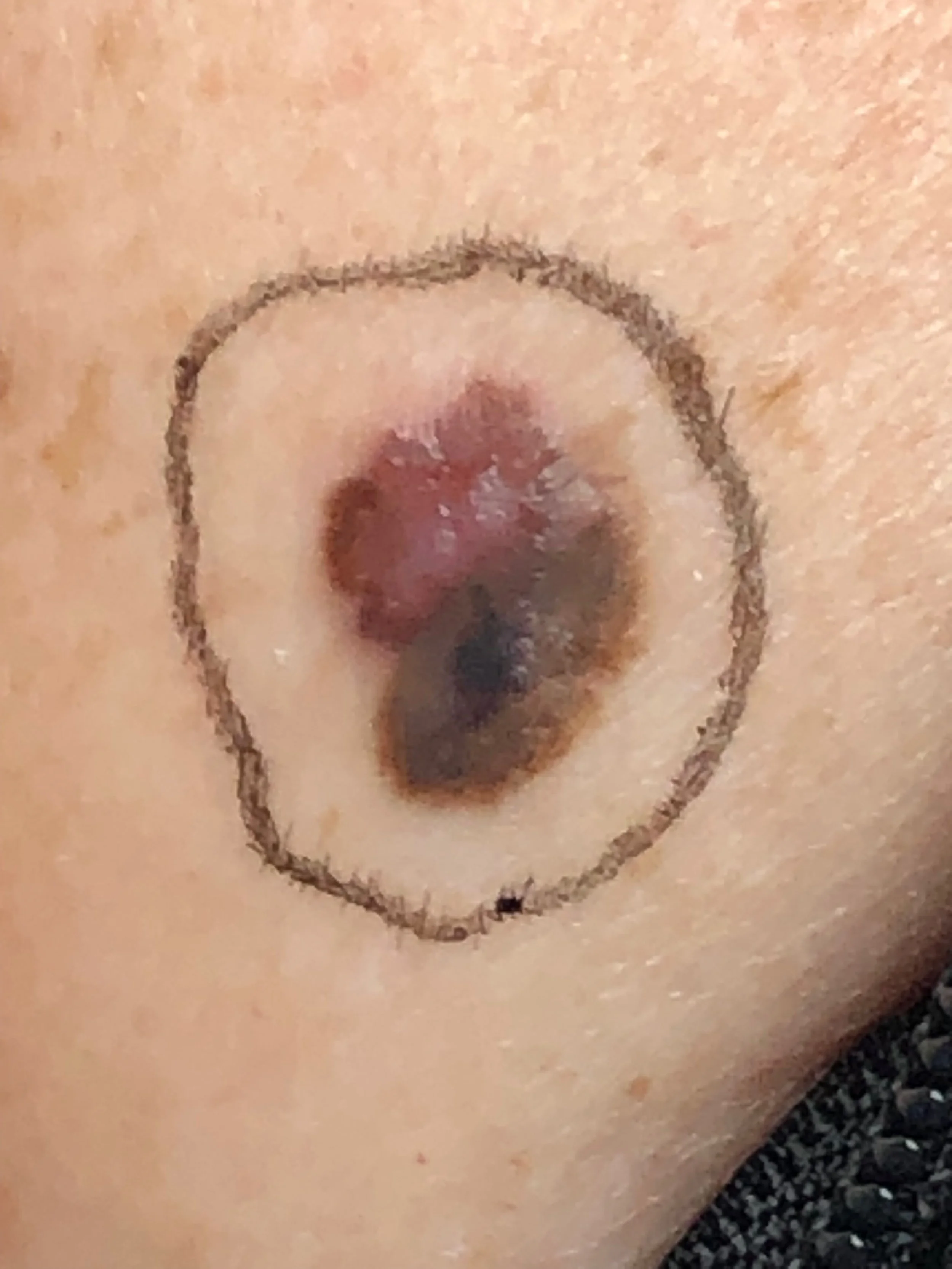
Understanding Melanoma Skin Cancer: Causes, Symptoms, and Prevention
Skin cancer is one of the most prevalent types of cancer, and while melanoma is relatively less common, it is among the most dangerous and aggressive forms. Melanoma originates from melanocytes, the cells responsible for producing the skin pigment melanin. Although it accounts for a small percentage of skin cancer cases, it is responsible for the majority of skin cancer-related deaths (American Cancer Society, n.d.).
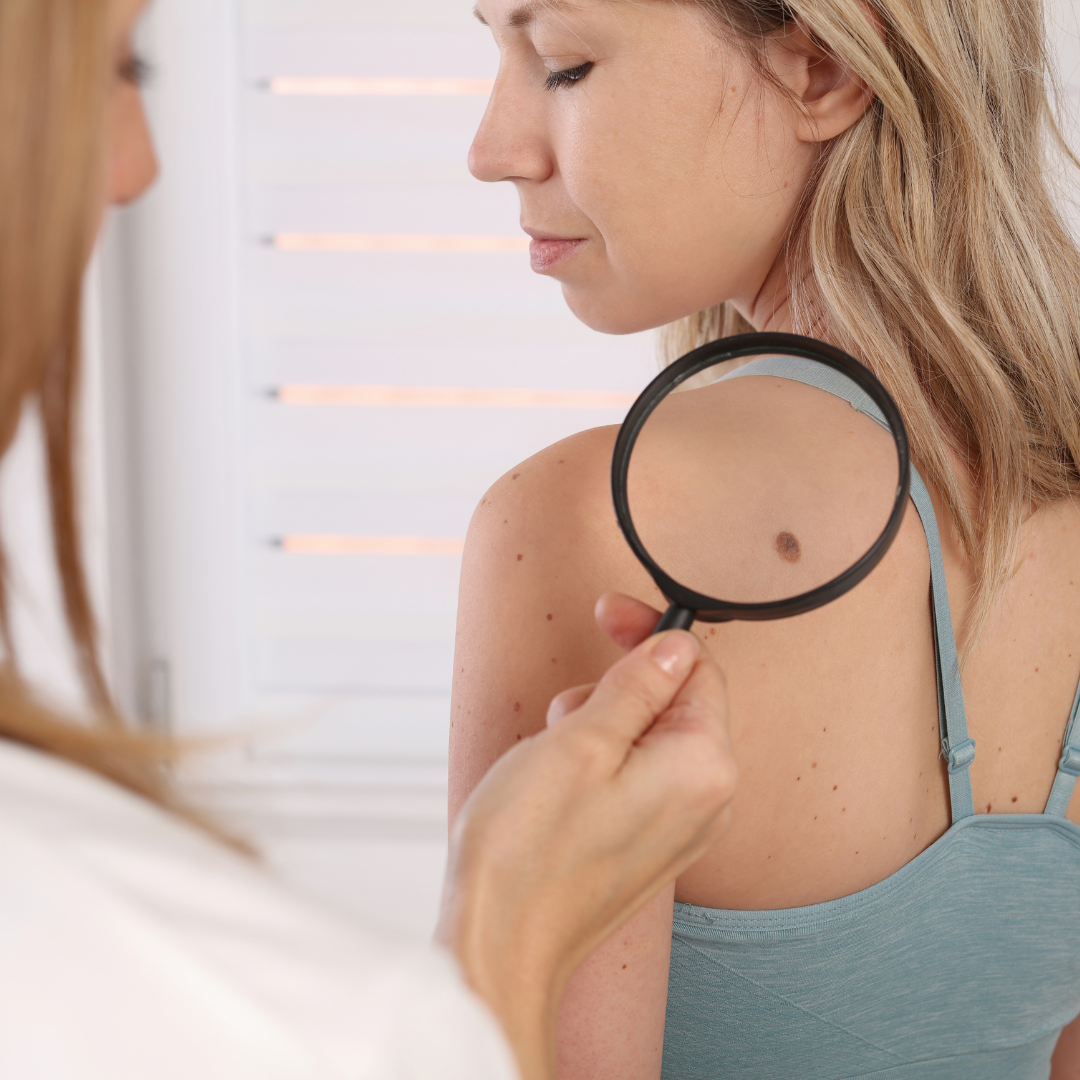
Understanding Moles vs. Skin Cancer: Know the Difference for Better Skin Health
Our skin changes as we age, gathering marks that tell the stories of our lives. Among these marks, moles are often front and center. While most moles are harmless, it's crucial to discern between benign spots and potential signs of skin cancer.
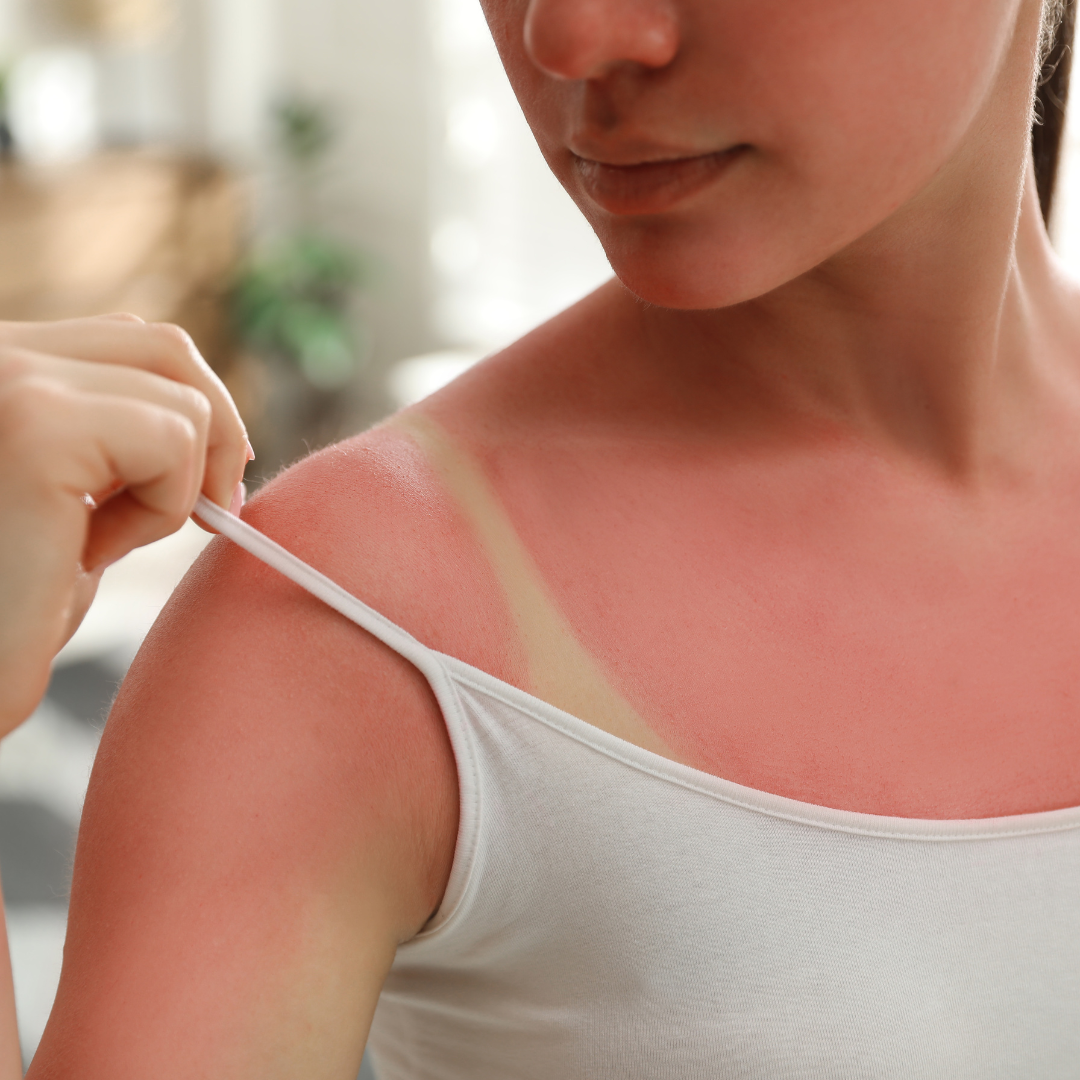
Skin Cancer: Understanding the Individuals Most at Risk
Skin cancer is a serious health concern that affects millions of people worldwide. While anyone can develop skin cancer, certain individuals are more susceptible to its occurrence due to various risk factors.